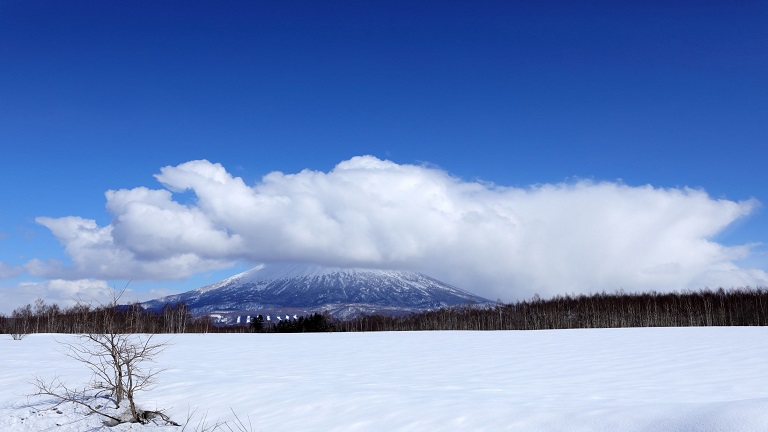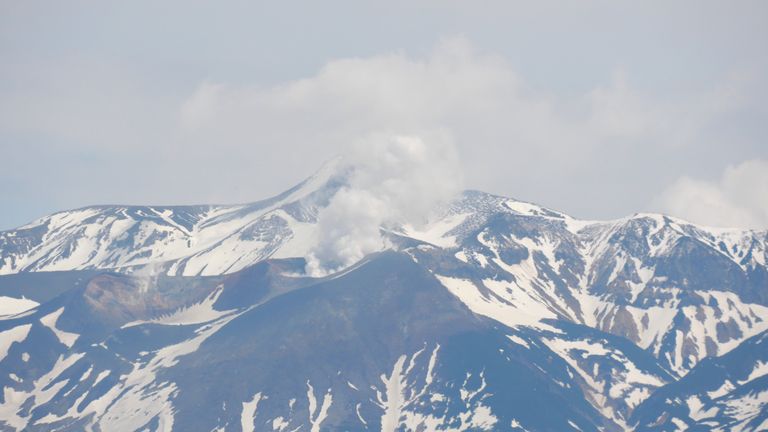
On May 24, 1926 (Taishō 15), Mount Tokachi erupted. The resulting volcanic mudflow, known as the Taishō Mudflow, caused devastating damage to Kamifurano Town. I recently visited the town, which suffered greatly from this disaster 99 years ago.
While researching this eruption, I found the local historical research journal published by Kamifurano Town to be especially informative. It contains many firsthand accounts from people who actually experienced the eruption. As I read through these stories, I felt a growing sense of tension as the mudflow approached, and at times, the words were so moving that they brought tears to my eyes.
◆Kamifurano Town Local History Museum
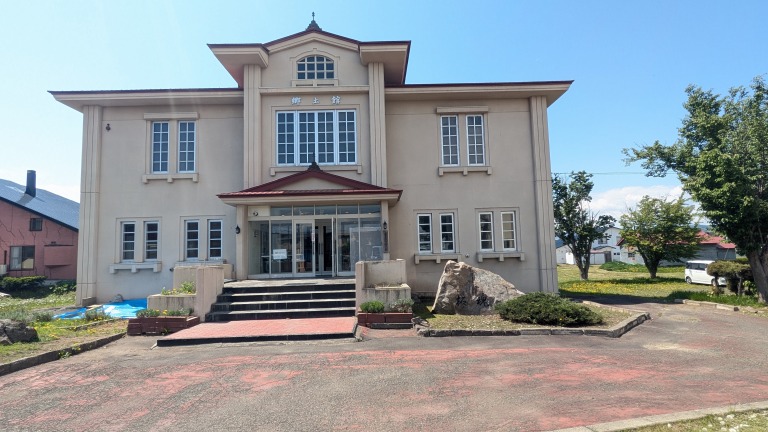 This museum was built based on the former Kamifurano Village Office.
Although it is a local history museum, it features extensive exhibits related to the disasters caused by the eruption of Mount Tokachi—displays that reflect the experiences of a town directly affected by the catastrophe.
The first-floor exhibition room serves as the Mount Tokachi Geopark Exhibition Room, presenting materials related to Mount Tokachi, including its natural disasters. Photographs of novelist Ayako Miura, taken when she visited Kamifurano Town while researching her novel Mudflow Zone, were also on display.
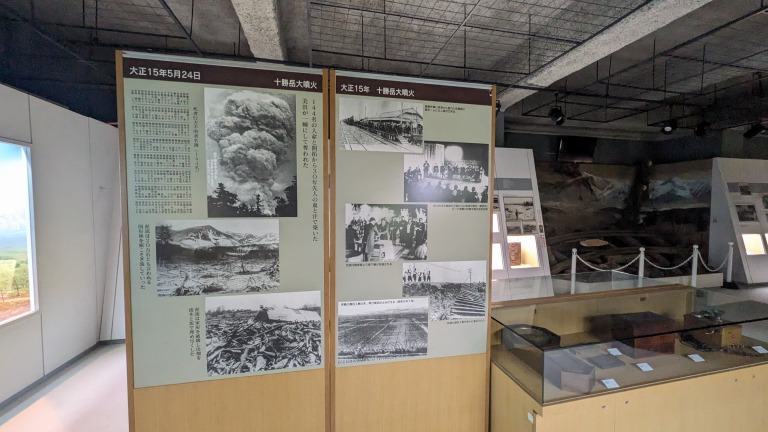 Second-floor exhibition room.
Additional materials related to Mount Tokachi’s disasters were exhibited on the second floor as well.
◆Memorial to the Victims of the Mount Tokachi Eruption
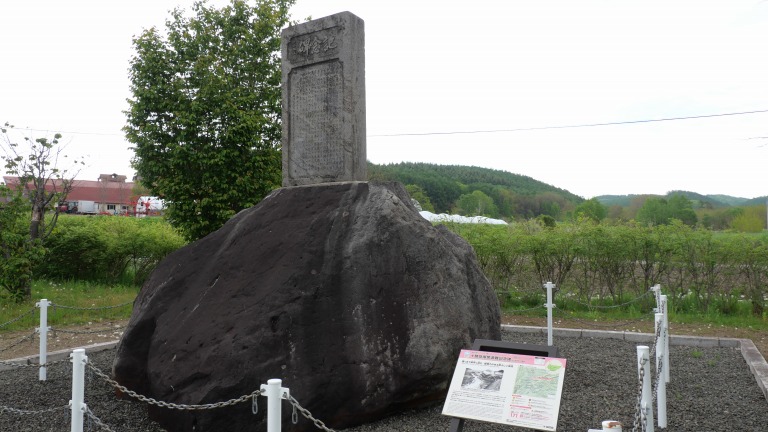 Among several monuments related to the eruption found throughout the town, this memorial stands in the Nisshin district along the Furano River, where the Taishō Mudflow passed through and caused severe damage.
The stone base, weighing approximately 70 tons, was carried here by the mudflow itself. The stone monument atop the base was also transported by the mudflow. Together, they stand about three meters tall—marking the height reached by the mudflow. The detailed history of how this memorial was established is described in the local historical journal.
◆Kamifurano Pioneer Memorial Museum
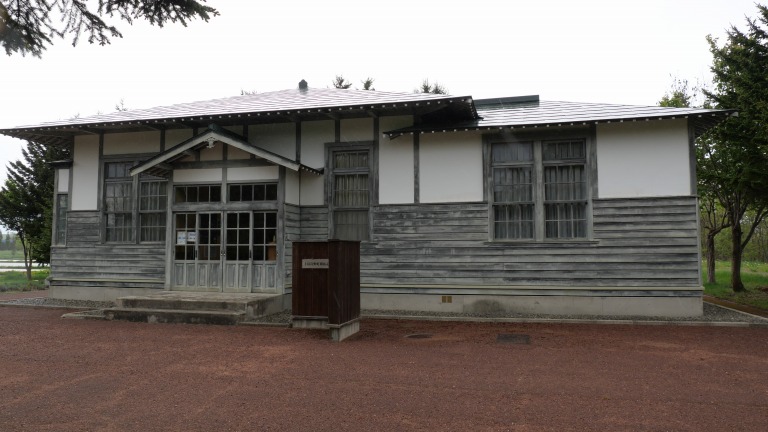 The former residence of Mayor Teijirō Yoshida, who was in office at the time of the eruption, was relocated to this site and now serves as the Pioneer Memorial Museum. The building stands near the Furano River, where the Taishō Mudflow once flowed.
The local historical journal includes the account of the mayor’s daughter, who was in second grade at the time. The house was under construction, and on the day of the eruption, a plasterer known as Mr. F was working on the walls. When the mudflow suddenly approached, he instinctively carried the young girl on his back and fled. Reading this account was a tense and emotional experience.
Remarkably, Mr. F turned out to be the man seen in the well-known photograph showing a person standing waist-deep in the mudflow—an image I had seen many times before.
◆Ayako Miura Literature Museum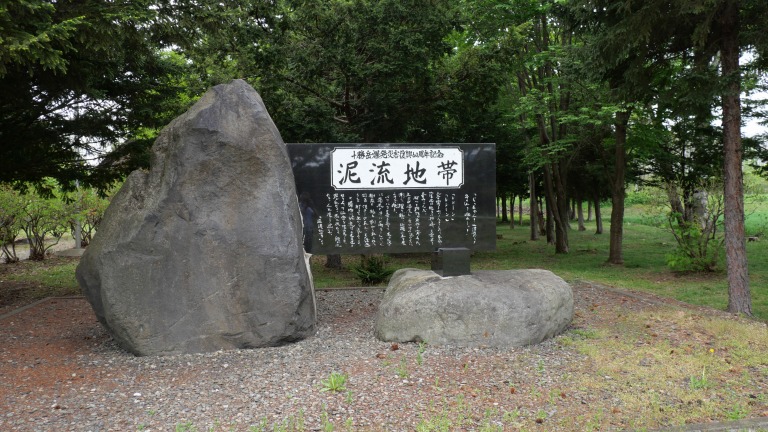 This literary monument was erected on May 24, 1984. The inscription was written by Ayako Miura herself.A photograph of Ayako Miura and her husband standing in front of this monument is displayed at the local history museum.
◆Miyama Pass
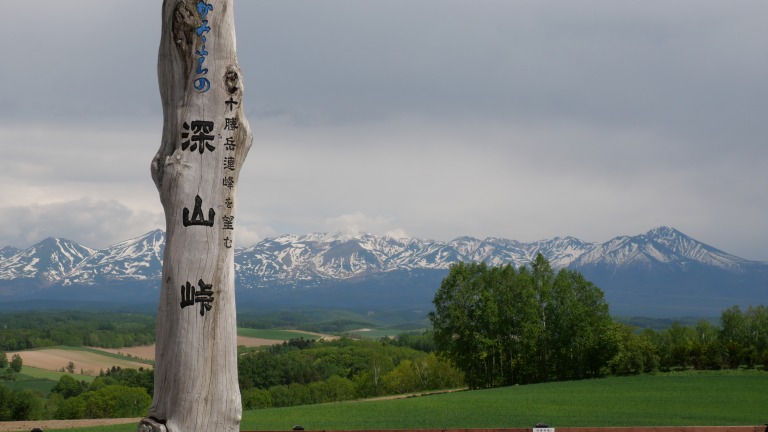 Miyama Pass lies on the route from Kamifurano Town to Biei Town. For some reason, I always find myself stopping here whenever I pass through.
Although the weather was poor on this day, volcanic smoke from Mount Tokachi was visible. The top photograph in this article was taken from this location.
◆Ayako Miura Literary Monument: Mudflow Zone
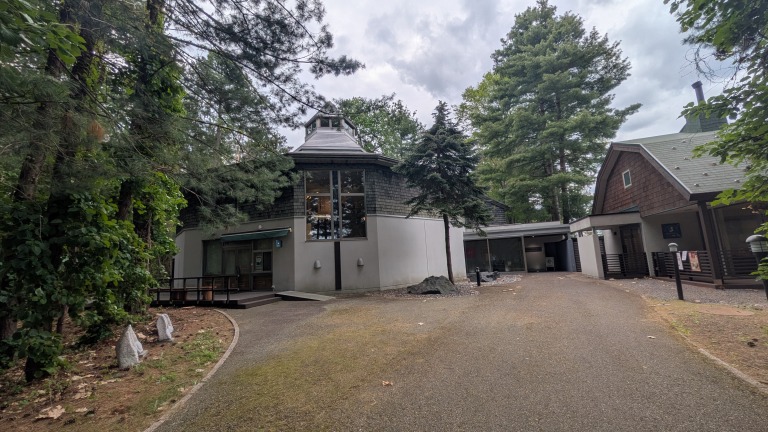
The building on the left is the literature museum.
The building on the right is the café Hyōten Lounge. For some reason, its appearance reminded me of Shiokari Pass. After some research, I realized why—the exterior closely resembles the Shiokari Pass Memorial Museum, which was once Ayako Miura’s residence. Inside the café, a recreation of her writing room is on display.
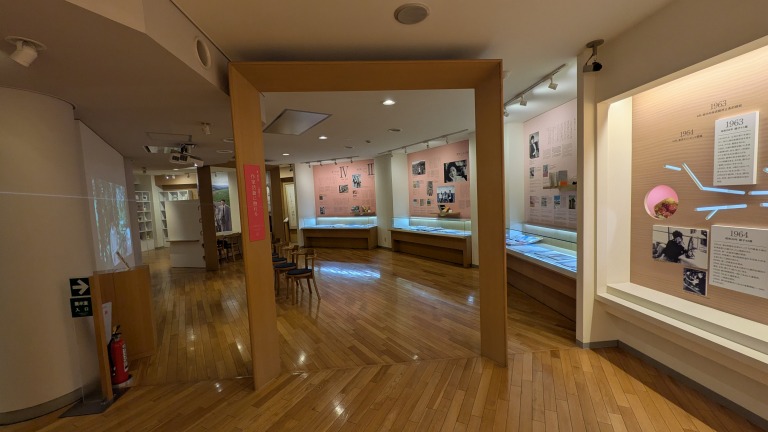
Inside the literature museum, exhibits detailing her life reveal that she endured numerous serious illnesses, including cancer. I was deeply moved by her intense struggle and by the steadfast support of her husband.
As hoped, there were also exhibits related to her writing of Mudflow Zone. I picked up the book and reread parts of it, realizing how much I had forgotten over time.
Photography inside the museum and publication of the images were permitted.
◆In Closing
I have occasionally visited Biei and Nakafurano to see their lavender fields, but I had rarely stopped in Kamifurano Town, which lies between them. This visit gave me a new perspective. While Kamifurano may not be known primarily for major tourist attractions, it is a place rich with sites and facilities that quietly convey important lessons about history, disaster, and resilience.
◆Places Visited on This Trip
(Locations marked with blue hearts were also visited but are not featured in this article.)