After seeing news about a special exhibition titled “Metal Artifacts Buried as Grave Goods” at the Eniwa City Local History Museum, I decided to visit. I also stopped by the nearby Kiusu Ring-shaped Burial Site Guidance Center in Chitose City. Both sites date back to the late Jōmon period, offering a fascinating glimpse into prehistoric life in Hokkaido.
Photography inside the facilities and the publication of images were kindly permitted at both locations. Many thanks to the staff for their cooperation.
◎ Eniwa City Local History Museum
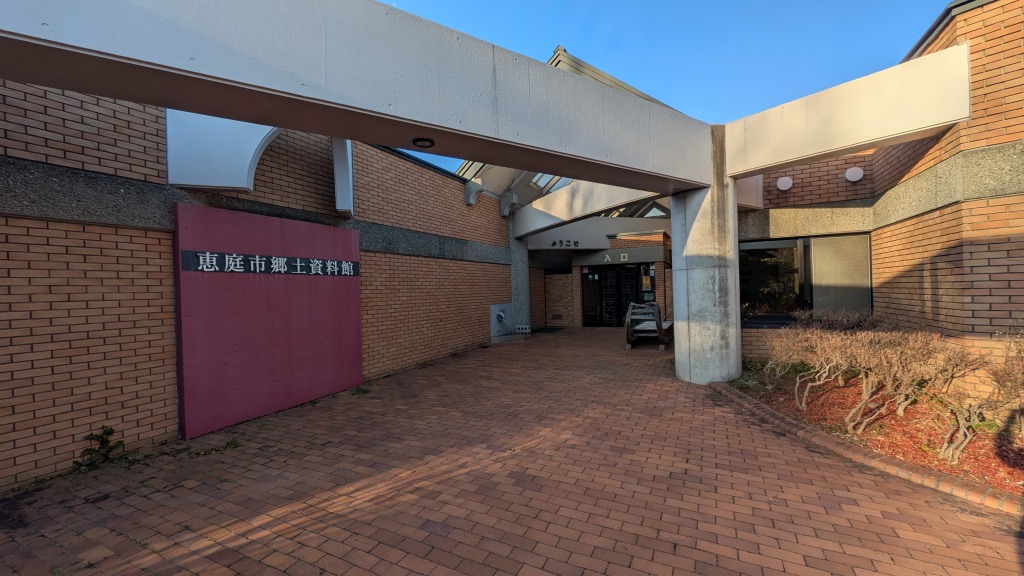 The exterior of the Eniwa City Local History Museum.
 The special exhibition I came to see was located just inside the entrance.
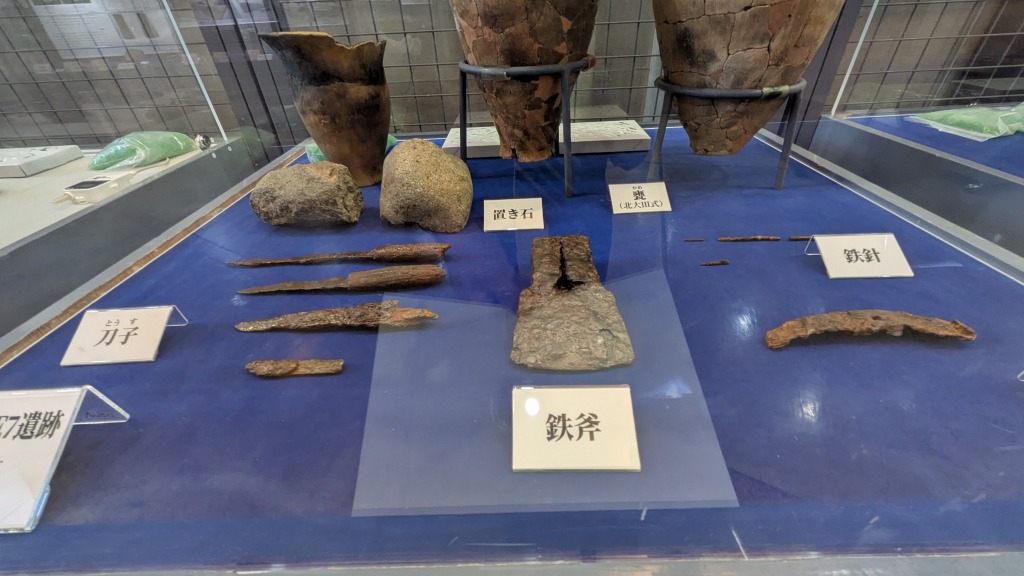 A display of metal artifacts excavated from archaeological sites.
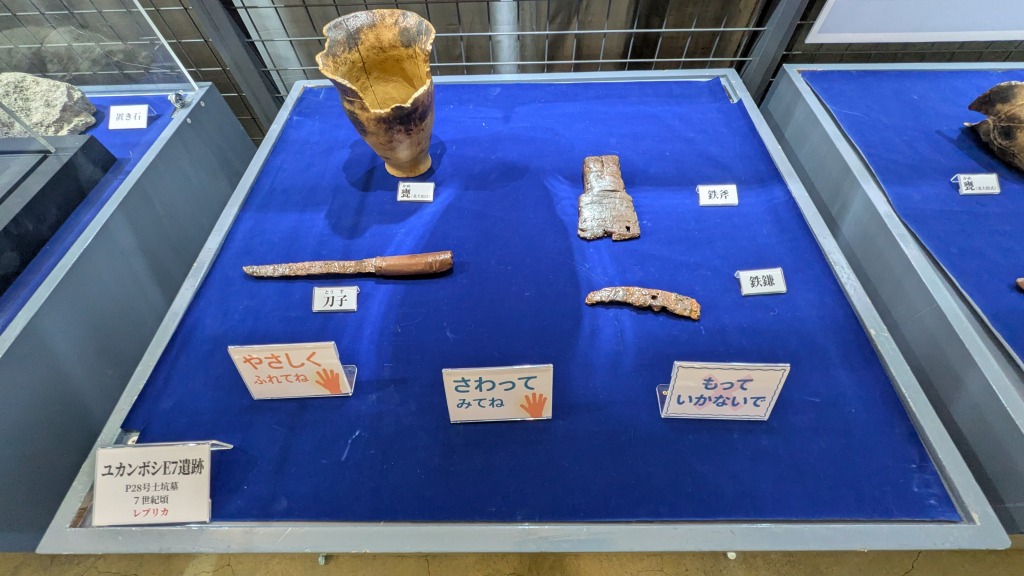 One of the highlights appeared at the end of the exhibition: replicas of grave goods created with a 3D printer that visitors are allowed to touch. I carefully picked one up—surprisingly heavy. Imagining people of the Jōmon period actually using these objects made the experience deeply moving.
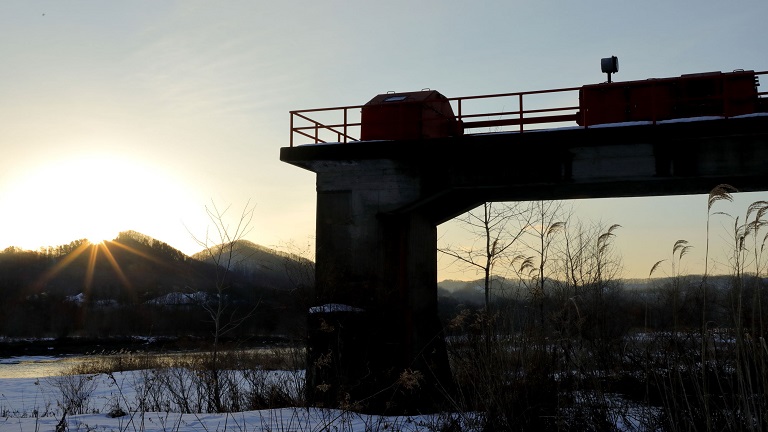
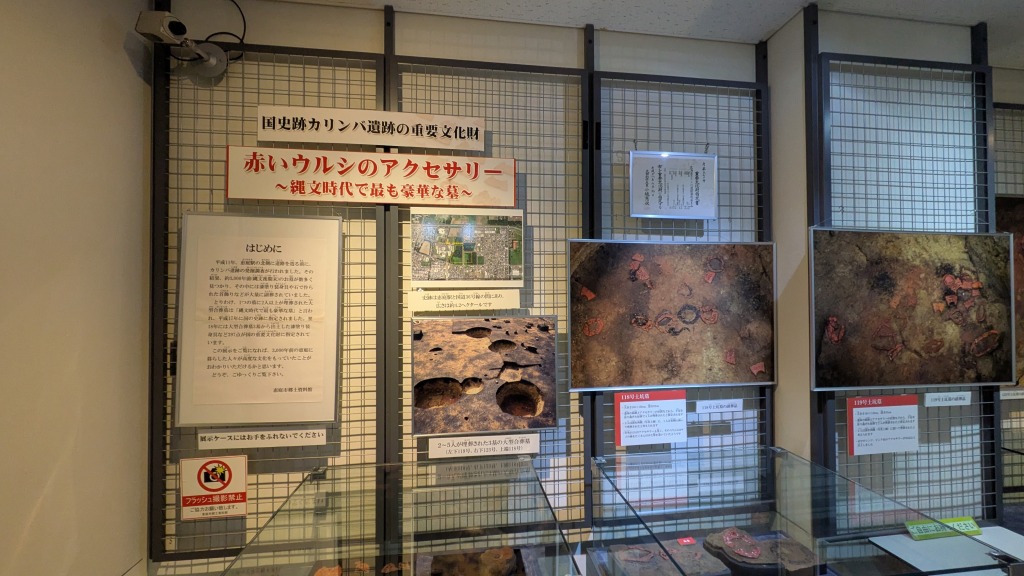 Next to the special exhibition was a section on Important Cultural Properties from the nationally designated Karinba Site. “Karinba” sounded familiar—it is also the name of a sluice gate on the Chitose River.
 Among the excavated jade artifacts was an exceptionally large magatama (comma-shaped bead). It is one of the largest I have personally seen. According to the museum staff, this piece is an original artifact.
Overall, the Eniwa City Local History Museum stands out as one of the most distinctive and engaging local museums I have visited.
◎Kiusu Ring-shaped Burial Site Guidance Center (Chitose City)
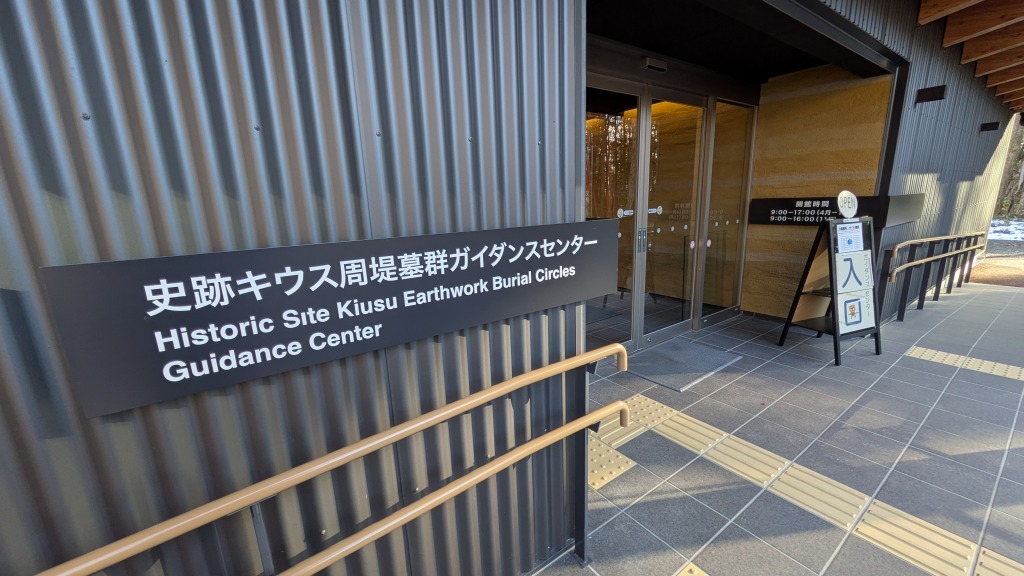 The Kiusu Ring-shaped Burial Site Guidance Center, which opened in April 2025. This was my first visit since its opening.
 Inside, a wide variety of exhibits are displayed alongside wall-length explanations and interactive monitors. Although the Kiusu site is not far from the Eniwa sites, I found it interesting that the excavated artifacts differ so much between them.
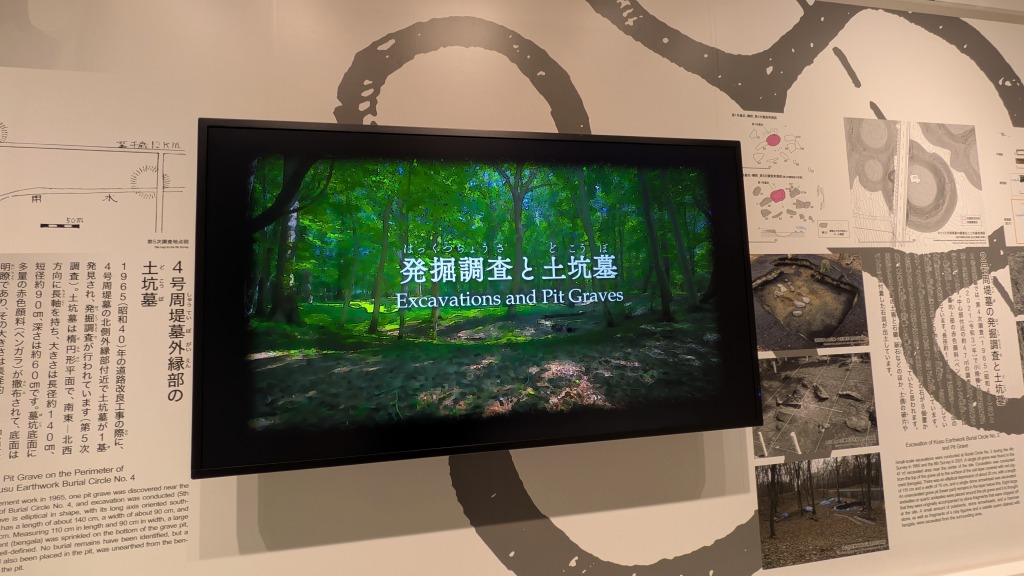 One particularly engaging video, “Excavation Research and Earthen Post Burials,” caught my attention—I ended up watching it three times.
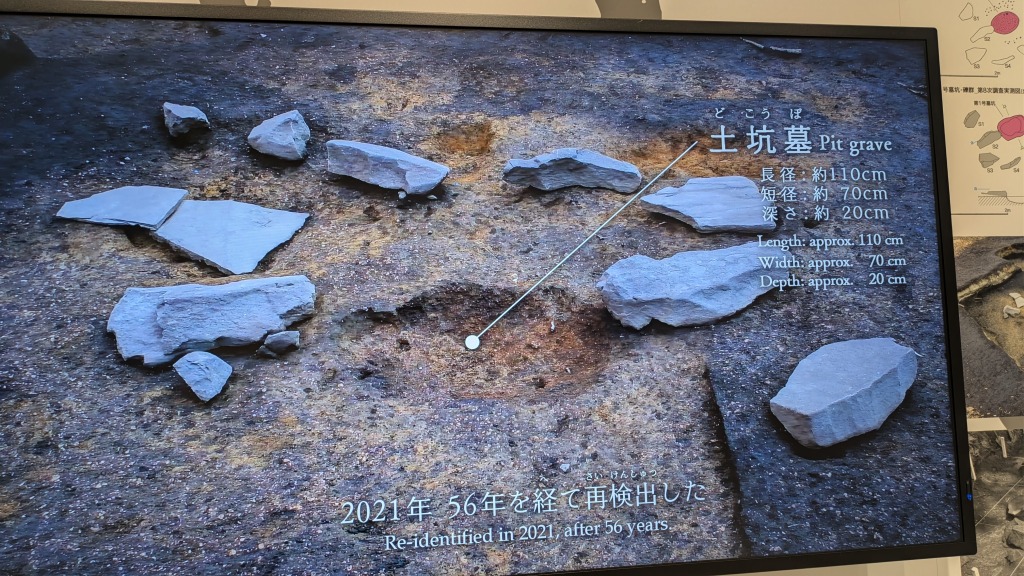 In the video, there is a scene showing a woman transporting soil out of a burial mound using a wheelbarrow. I realized I had witnessed that very scene by chance several years ago, and it was satisfying to finally understand what kind of investigation was taking place at the time.
 Although the weather was beautiful that day, ongoing site improvement work meant that the burial mounds themselves could not be viewed clearly.